Mapping the children’s workforce
A scan of the workforce of professionals supporting children in England — people, services, systems and how they connect.
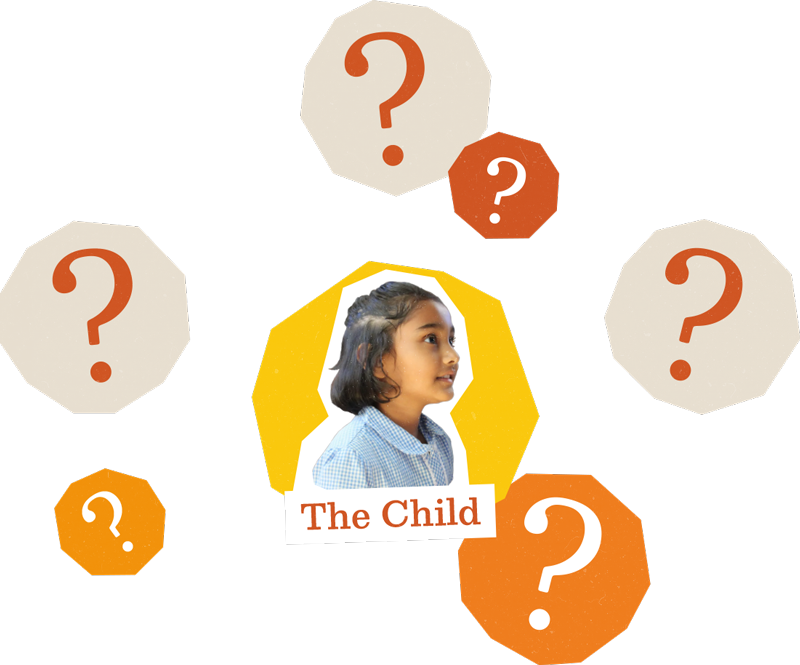
As a child grows up, they and their families are supported by a whole workforce of professionals: nurses and doctors, teachers and teaching assistants, youth workers and family hub staff – to name just a few.
What can we know about this workforce of professionals? What is the scale of support and where are the gaps? Are the professionals that make up this workforce seen and valued? Can they use their skills and knowledge to best serve babies, children and young people?
In partnership with ImpactEd Group, we took these questions and scanned the children’s workforce.
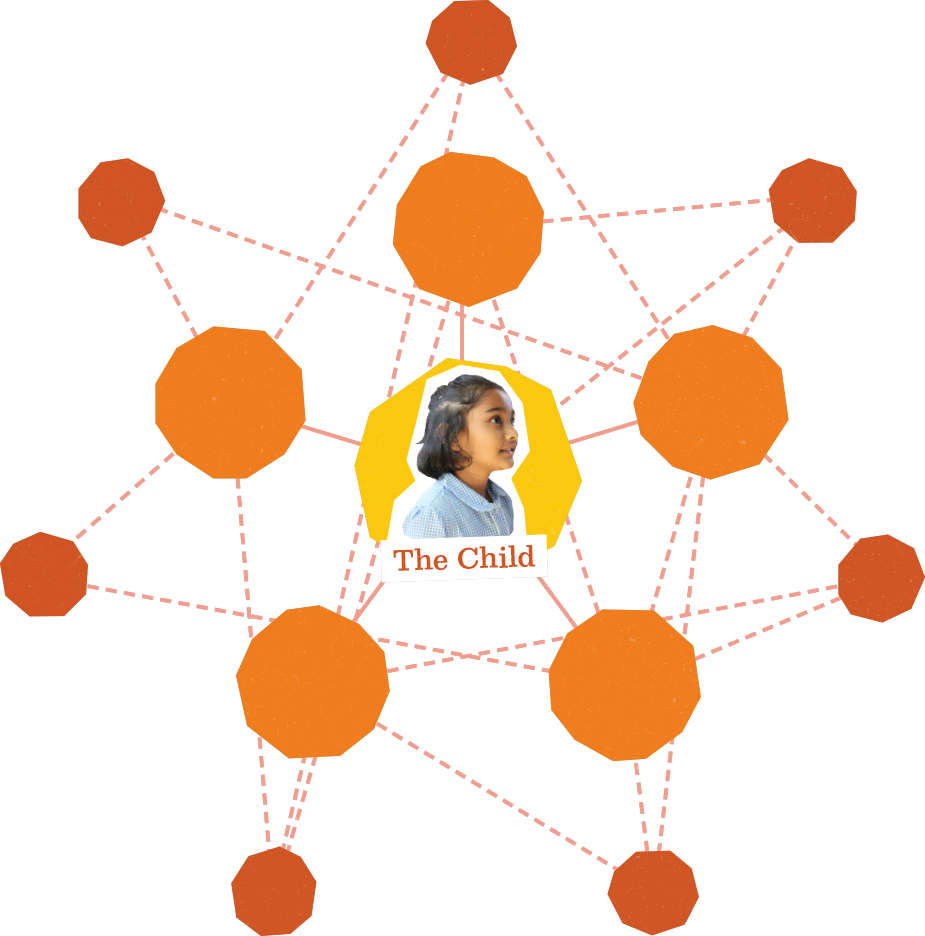
In the map that emerged, we see a two million-strong workforce surrounding children – safeguarding them, tending to their health, well-being and learning, offering space for development, skills and belonging.
There are some major organs powering this body, that are very visible in the data. We also glimpse some crucial connective tissue – roles that sit at the crossing points of a child’s life, yet in the data these parts are almost invisible.
Most of all, we see the potential for an interconnected, interdisciplinary workforce that is more than the sum of its parts.

What we see
What we (don’t) count skews the picture
Due to gaps in data, there are crucial gaps in our understanding of this workforce. We think that a deeper national understanding of these gaps will light up vital veins of support for babies, children and young people that otherwise risk going unseen and under valued.
1.
The more local the view, the better
This is a national picture, which is partial and broad brush. We feel the big opportunity is understanding how this workforce is playing out in place. This will reveal opportunities to create a more joined-up workforce with the child at the centre.
2.
Respect the parts, celebrate the whole
The Centre for the Children’s Workforce exists because we think that children will be best served if everyone working with children saw themselves as one connected workforce – one with differentiated responsibility but shared accountability for the child.
3.
Responses to the map
What do professionals from across the workforce think about what the map shows and what it means? We’ll be publishing reflections from a range of voices over the coming months. Subscribe get alerts about new publications.