Foundation Degree FAQs
-
Think of a Foundation Degree as your ultimate career launchpad! In the world of qualifications, the numbers 1-7 represent a different Level. The Foundation Degree sits at Levels 4 and 5 - the bridge between where you are now and a full undergraduate degree (Level 6). It’s designed to give you a rock-solid, broad foundation in the field of working with children. Once you’ve completed it, you can take a one-year "top-up" to gain a full Bachelor’s degree in a specialized area like Early Years, Primary Education, or Youth Work that sparks your passion.
-
This degree is for the changemakers already on the ground, working with babies, children and young people in a professional setting. Our vision is to bring together a diverse community of practitioners. Whether you’re a Teaching Assistant, a Family Support Worker, a youth club leader, or even a local football coach, if you’re working with children and don’t yet have a degree, this is for you. We believe in your potential to make a difference, no matter your current role.
-
Get ready to dive into the complex world of children! The course is broad in scope, and is designed to give you a holistic view of a child’s life. You’ll explore everything from child development and the power of play to safeguarding, SEND, and how family and friends can influence children. It is designed to be suitable for a wide range of professions, ensuring that when you’re ready for your specialised Level 6 year, you will have the insight and confidence to be successful.
-
We don’t have traditional exams, or a series of long essays to complete. We use ‘authentic assessments’ that mirror the work that you are already doing, and prepare you for future careers. You’ll create portfolios and practical resources - like a sleep routine leaflet for parents - backed by the theories you have mastered in the sessions. For this course, it is more about ‘little and often’ check ins that enable you to see your growth in real time.
-
There are so many possibilities of where this journey could lead. You might start as a TA and find yourself qualifying as a primary school teacher by 2030, enjoying better pay and the thrill of leading your own classroom. Perhaps, you’ll move from family support into social work, achieving a Masters by 2032 whilst working on the job. Even if you don’t know your destination yet, we hope that this degree will challenge your ideas of what is possible, opening up many doors along the way. We are happy to have conversations about where you want to go!
-
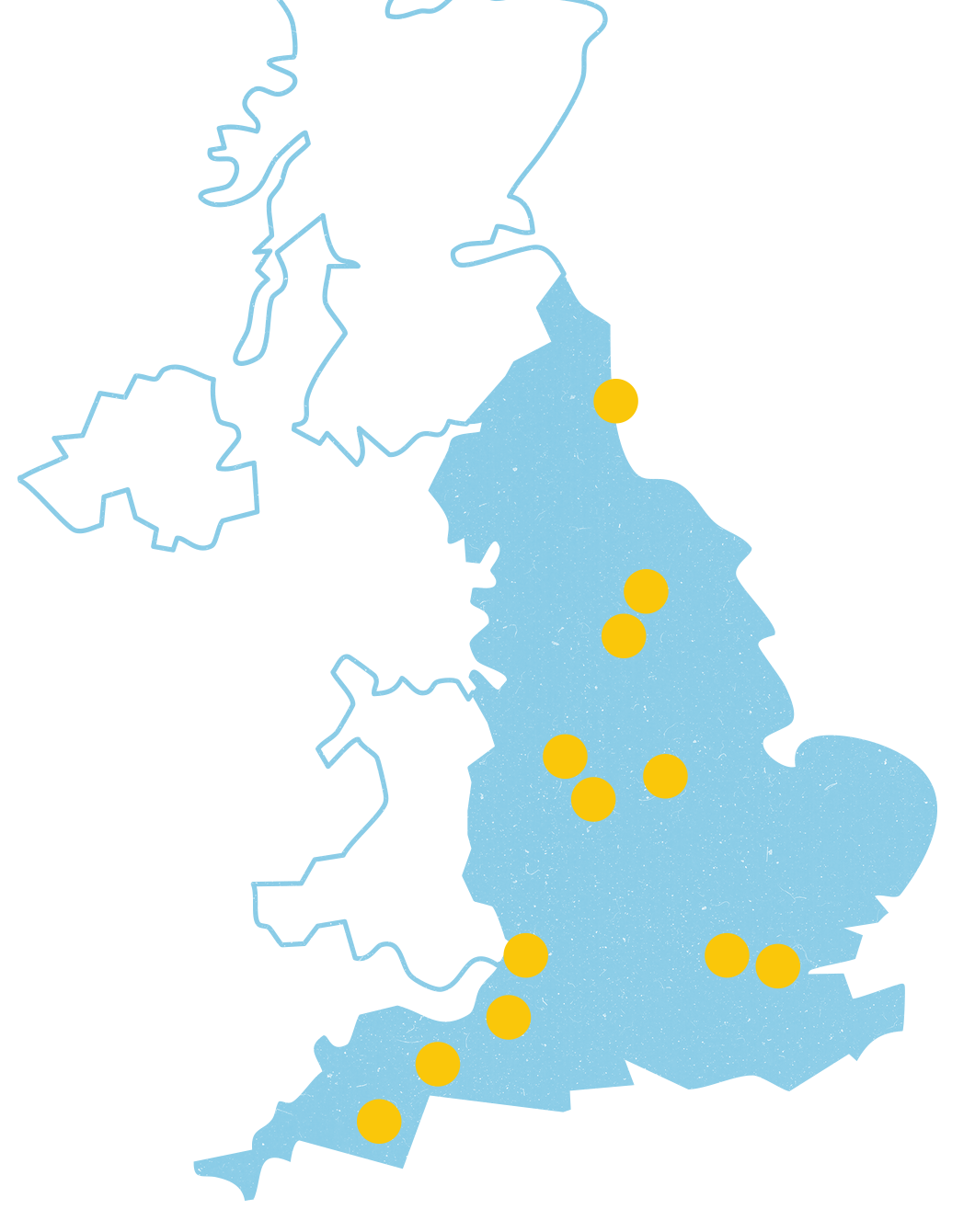
Location: We bring the university setting to you. 75% of the course happens in a central school in your local area, with the remaining 25% in online sessions where you can connect with peers locally and nationally.
Timing: To fit around work roles, sessions are currently planned for Wednesday evenings 4-8pm. We’ve compressed the schedule and included breaks to make sure you get the most out of the time, and still get home at a reasonable hour. -
Our sessions are designed to keep you engaged and inspired:
Warm Up/Review (15-20 mins): A high energy start to recap and set the stage.
Deep Focus Sessions (50 mins each): Three blocks of focused learning. This will include a mixture of videos, quizzes, discussions and reflection.
Wrap Up/Reflection (10-15 mins): We end with a moment to consolidate your learning, and ensure that you walk away with a lasting impact to take back to your setting immediately.
-
You’ll join a small, locally rooted cohort of 16-25 people. You can expect a diverse, supportive mix of ages and professional roles - a ready-made network of peers who can learn from each other.
-
This Foundation Degree is funded through tuition fees. Most people will be able to access Student Finance to cover the annual cost, which is just over £9700 a year. This works like a government loan, where you only start paying it back once you earn over £25,000. The repayments are 9% of earnings over this limit, so the monthly cost is likely to remain low. If your earnings stay below that, you take a break, or you stop working, your payments stop too. And the loan is written off after 40 years or if you stop working, whichever happens first. Some employers may contribute to the costs of the programme, and this is done on a case by case basis.
-
If you have a Level 3 qualification, then you would automatically qualify to do this course. However, we want to make this accessible, so anyone who is working with children would be able to make an application. The experience that you have will count just as much as a qualification, and we will be able to discuss this on an individual basis. It is definitely not a deterrent from applying though. This also applied to having GCSE Maths and English. On the pilot, we even had a student retake her GCSE Maths alongside her son while in her second year!
-
Neurodiversity & Support: Whether you have a diagnosis or think you might need one, we will be working with university specialists here to ensure you get the support you might need to be successful. From extra academic support and tailored ways of working to the Disabled Students Allowance, we’ll make sure you have everything you need to succeed.
Tech Access: Don’t have a laptop? Don’t worry. We’ll work with you and your Trust to ensure you have the device you need to log in and learn with confidence. -
You need to have a professional capacity with children - enough for you to be able to interact with them each week. This could be unpaid, but not, for example, as a babysitter, or with family friends.
Find out more
Register your interest in studying for the Foundation Degree.