
The Partnership Dividend
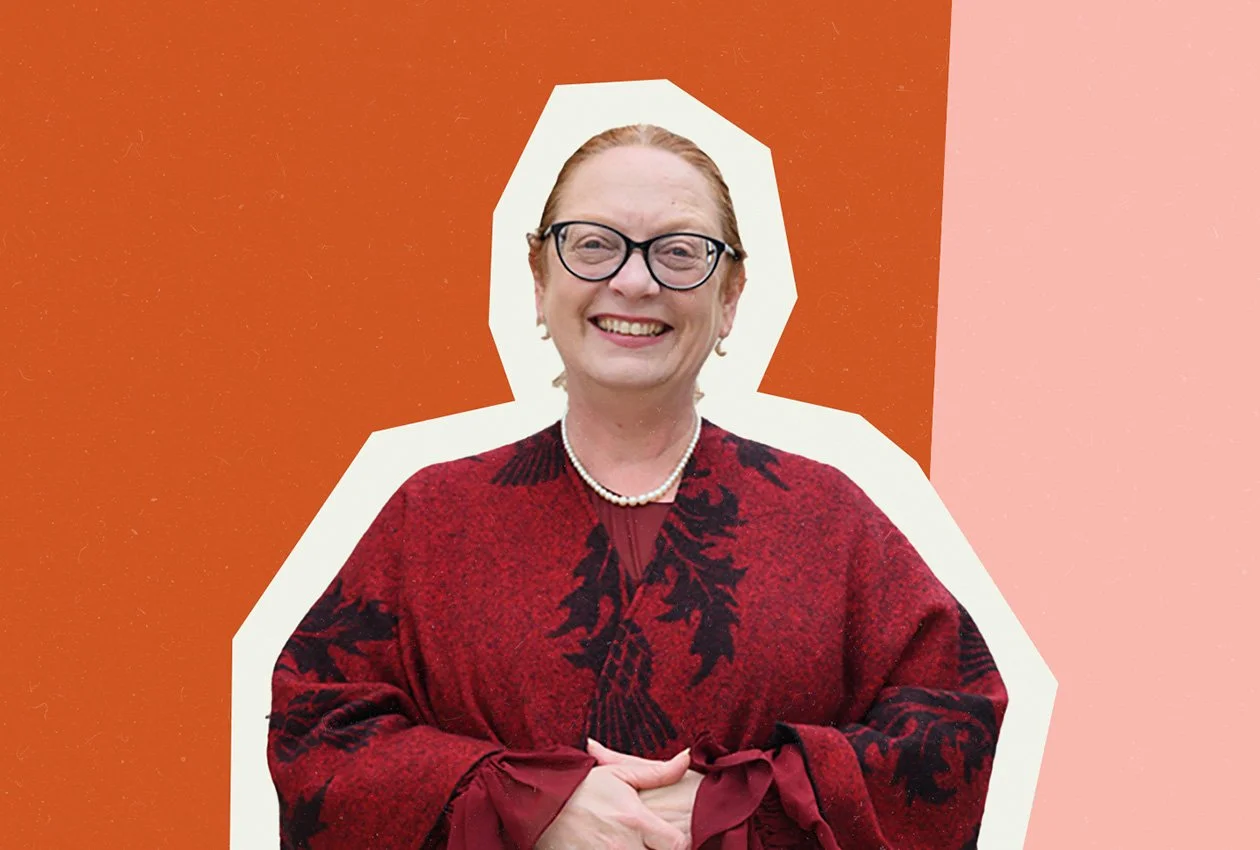
By Leora Cruddas
This article is part of series of guest posts written by colleagues across the children’s workforce to mark the launch of the Centre. This piece is written by Leora Cruddas CBE, Chief Executive of the Confederation of School Trusts.
The previous Labour government established a Children’s Workforce Development Council (CWDC) as part of a broader vision for bringing together services and professionals around children. It was officially closed in March 2012 as part of the rationalisation of government ‘quangos’ under the then Coalition government.
Those of us who remember this organisation may have had different views and experiences of its effectiveness. But it’s ambition to join up the way different agencies work, and bring consistency to the way children and young people are listened to and looked after was important.
There are things we can and should learn from in that period of reform. One of those things is the importance of understanding and recognising ‘domain’ expertise. Too much policy in that era of reform failed to recognise this. But we may have gone too far in the opposition direction.
It is possible to recognise professional domains, and to bring professionals together around a common ambition, that is for every child should be surrounded by skilled, caring adults who work together to help them thrive. This is why the new Centre for the Children’s Workforce is important.
Togetherness around the child and family is the important point here. As Ned Younger writes: “what if the child, not the service, was the organising principle of the system—and every adult in their life worked from that same starting point?”
We can no longer work in professional silos, speaking past each other. We must get to know and understand each other, in order to make a difference for children, families and communities. This is what the Confederation of School Trusts calls the Partnership Dividend.
The partnership dividend is an investment in each other, in people, in our communities. It recognises the huge wealth in every community. It recognises the strengths and talents in our communities and seeks to build this capacity.
The partnership dividend is enacted in many different ways.
It is the way in which we work with other civic actors to secure better outcomes for our children and young people locally.
It is the way in which we work with each other to share and mobilise school improvement, as a group of trust leaders did so beautifully in the city of Plymouth.
It is the way in which we work with our parents and communities to build a shared commitment to education, seeing them as a resource and building collective capacity. This work is deeply relational, rather than transactional.
As Hilary Cottam (social activist and author), says, it is the expression of a radical humanity – how we use our connection with one other to renew our work so that our children and communities can flourish together.
To do this, leaders must be civic in outlook, and schools and services must be anchored in communities.
Public leadership in place, and of place, is our best and last frontier.
We must intentionally and deliberately build local partnerships with other public leaders that put the child at the centre. As Cottam argues, we must see this work as collective endeavour, rather than individual professional effort; connecting multiple forms of resource rather than protecting service costs; and creating possibility for the children and families we serve.
As I said at the start, this is not some professional pulpous soup.
This is about harnessing our professional expertise and domain knowledge in the service of a wider common good.
It is about building a connected workforce in the service of children, families and communities.
It is about creating a shared story.
It is about initiating the partnership dividend.
It is our solidarity and our interconnectedness – our shared sense of purpose and our execution of a shared mission – that will make a difference to the children and communities we serve.
